 the name of Thomas Burnett Swann's game is Pastoral Fantasy vs. Slowly Encroaching Civilization. the author wrote a good number of fantasy (and some science fiction) novels that took the old myths and legends as reality and pitted them against the gradual intrusion of industry, the city, the military, modernity in general. one of the delightful things about this author is his ability to make these myths real in their own strange, unreal way. his dryads and water sprites and centaurs and fauns are three-dimensional yet often utterly alien as well. although it is obvious which side Swann is on (and what fantasy author will ever side against fantasy anyway), he also illustrates his early civilizations with the same trappings of fantasy - these aren't the ancient civilizations of the classroom, they are cultures that have been made almost as mythical as the fantasy creatures who share their world. entering one of Swann's novels is entering an adult fairy tale; very little is familiar except for the familiarity we all have with myths & legends & ancient civilizations. these myths & legends have been given a compelling sexuality that is central to their mythology. this is definitely Sexy Fantasy: the sexuality manages at different times to be genuinely sensual and carnal yet also innocent - not dirty and not exploitative, sometimes disturbing and threatening, often deeply homoerotic (and honestly I wish he had been a bit more even-handed with the ladies), and just as often unintentionally silly - and silly in a rather dated, eye-rolling, but still amusing way. anyway, The Weirwoods is about water sprites and Etruscans, a terrible revenge, and how a traveling musician, a naïve city girl, and two deadly but weirdly attractive water sprites all cross paths. his prose is lovely and his story manages to feel languorous despite its brief length. it is a serious book and it is also often a really goofy book (especially in its second half, post-revenge). overall I quite liked it; it took me right into another world and I wanted to stay there longer than I was able. I'm looking forward to reading more by the author and I'm excited to reread the ones I read as a teen. they certainly inspired dozens of my own smutty fantasies. but also a longing for things long past and things that never were.
Monday, March 24, 2014
The Weirwoods
by Thomas Burnett Swann
the name of Thomas Burnett Swann's game is Pastoral Fantasy vs. Slowly Encroaching Civilization. the author wrote a good number of fantasy (and some science fiction) novels that took the old myths and legends as reality and pitted them against the gradual intrusion of industry, the city, the military, modernity in general. one of the delightful things about this author is his ability to make these myths real in their own strange, unreal way. his dryads and water sprites and centaurs and fauns are three-dimensional yet often utterly alien as well. although it is obvious which side Swann is on (and what fantasy author will ever side against fantasy anyway), he also illustrates his early civilizations with the same trappings of fantasy - these aren't the ancient civilizations of the classroom, they are cultures that have been made almost as mythical as the fantasy creatures who share their world. entering one of Swann's novels is entering an adult fairy tale; very little is familiar except for the familiarity we all have with myths & legends & ancient civilizations. these myths & legends have been given a compelling sexuality that is central to their mythology. this is definitely Sexy Fantasy: the sexuality manages at different times to be genuinely sensual and carnal yet also innocent - not dirty and not exploitative, sometimes disturbing and threatening, often deeply homoerotic (and honestly I wish he had been a bit more even-handed with the ladies), and just as often unintentionally silly - and silly in a rather dated, eye-rolling, but still amusing way. anyway, The Weirwoods is about water sprites and Etruscans, a terrible revenge, and how a traveling musician, a naïve city girl, and two deadly but weirdly attractive water sprites all cross paths. his prose is lovely and his story manages to feel languorous despite its brief length. it is a serious book and it is also often a really goofy book (especially in its second half, post-revenge). overall I quite liked it; it took me right into another world and I wanted to stay there longer than I was able. I'm looking forward to reading more by the author and I'm excited to reread the ones I read as a teen. they certainly inspired dozens of my own smutty fantasies. but also a longing for things long past and things that never were.
the name of Thomas Burnett Swann's game is Pastoral Fantasy vs. Slowly Encroaching Civilization. the author wrote a good number of fantasy (and some science fiction) novels that took the old myths and legends as reality and pitted them against the gradual intrusion of industry, the city, the military, modernity in general. one of the delightful things about this author is his ability to make these myths real in their own strange, unreal way. his dryads and water sprites and centaurs and fauns are three-dimensional yet often utterly alien as well. although it is obvious which side Swann is on (and what fantasy author will ever side against fantasy anyway), he also illustrates his early civilizations with the same trappings of fantasy - these aren't the ancient civilizations of the classroom, they are cultures that have been made almost as mythical as the fantasy creatures who share their world. entering one of Swann's novels is entering an adult fairy tale; very little is familiar except for the familiarity we all have with myths & legends & ancient civilizations. these myths & legends have been given a compelling sexuality that is central to their mythology. this is definitely Sexy Fantasy: the sexuality manages at different times to be genuinely sensual and carnal yet also innocent - not dirty and not exploitative, sometimes disturbing and threatening, often deeply homoerotic (and honestly I wish he had been a bit more even-handed with the ladies), and just as often unintentionally silly - and silly in a rather dated, eye-rolling, but still amusing way. anyway, The Weirwoods is about water sprites and Etruscans, a terrible revenge, and how a traveling musician, a naïve city girl, and two deadly but weirdly attractive water sprites all cross paths. his prose is lovely and his story manages to feel languorous despite its brief length. it is a serious book and it is also often a really goofy book (especially in its second half, post-revenge). overall I quite liked it; it took me right into another world and I wanted to stay there longer than I was able. I'm looking forward to reading more by the author and I'm excited to reread the ones I read as a teen. they certainly inspired dozens of my own smutty fantasies. but also a longing for things long past and things that never were.

The Moorstone Sickness
by Bernard Taylor
 Hal and Rowan flee the big city of London to settle in the beautiful, placid, and exceedingly friendly village of Moorstone; disturbing undercurrents eventually become stronger & stronger, and the almost-happy couple find that things are murky indeed beneath the town's lovely surface. there are some intriguing things going on under the surface of this novel as well: Bernard steeps his small bag of precisely-drawn, often ambiguously sympathetic characters into the opaque waters of immortality to see what particular flavors of forever will rise to the surface. who wants immortality and what price are you willing to pay for it? think not on such things - 'tis a sickness of both the body and the soul that you contemplate. 'tis the Moorstone Sickness!
there are no surprises here, neither in the supernatural mystery itself nor in what flavors comes to dominate by the end. still, despite showing its hand (inadvertently? hard to tell) so early that most of the suspense is stripped away, the book is a good one. polished and elegant prose, an often enigmatic narrative, interesting characterization, a well-developed background for the mystery, and a tone that is drily straightforward but also hits notes of an almost grim melancholy, laced with a subtly acidic wit. Taylor is a more than competent author and is distinctly underrated. if you are the sort who likes your horror to be restrained, subtle, thoughtful, and horrific in a quietly brooding way, then he is the author for you. overall I preferred Sweetheart, Sweetheart but this was still an intriguing and atmospheric experience.
there are no surprises here, neither in the supernatural mystery itself nor in what flavors comes to dominate by the end. still, despite showing its hand (inadvertently? hard to tell) so early that most of the suspense is stripped away, the book is a good one. polished and elegant prose, an often enigmatic narrative, interesting characterization, a well-developed background for the mystery, and a tone that is drily straightforward but also hits notes of an almost grim melancholy, laced with a subtly acidic wit. Taylor is a more than competent author and is distinctly underrated. if you are the sort who likes your horror to be restrained, subtle, thoughtful, and horrific in a quietly brooding way, then he is the author for you. overall I preferred Sweetheart, Sweetheart but this was still an intriguing and atmospheric experience.
Monday, March 3, 2014
Tender Morsels
by Margo Lanagan
Snow White and Rose Red live with their mother in a cottage. upon them comes a bear, out of the cold, into their warmth and into their lives. he stays with them a bit; they become a sort of family, until he must go away. the girls meet a strange and irritable dwarf and save him several times. he is not grateful. later, the girls come between the dwarf and the now enraged bear. the unpleasant dwarf begs the bear to eat the girls rather than his little self. can the girls' sweet spirits get them out of this mess - are the girls able to survive? they can, and they will!

a young girl's mother dies, and she is left with her horrible father in a cottage. she is repeatedly molested and impregnated by her father. it is important that you know this, that this is a part of the book and this is a part of life, for some. a young girl loses her father and is happy for a time. a group of boys come upon her, pull her down from the chimney where she has fled, and proceed to rape her. it is important that you know this, that this is a part of the book too and this is a part of life, for some. can this much-abused girl survive? she can, and she will.
 a woman writer named Margo Lanagan decided to write a book about women. she would make the book a portrait of a family of women, a family that grows bigger. she would make the book a portrait of motherhood and sisterhood and daughterhood, the challenges and the wonder and the excitement of becoming, of transforming into such roles. she would make this portrait of women a part of the greater world, so there are many voices heard, even voices of men, sympathetic men and strong, kind ones too. the book does not share the voices of those who are brutal and who destroy with their brutality; they are not worthy of having their voices heard and they are not missed. well, there is a certain voice, a harder voice: the dwarf. but his story is its own kind of tale, not the story of a brutal man but rather the story of a man small in stature and in spirit, an occasionally unkind man but not a brutal one, and one deserving of some sympathy. so this woman writer would take the fable of the sisters Snow White and Rose Red, their cottage and their mother and that dwarf and the bear-who-was-a-prince, as her template. men in the shape of bears and women in the shape of women. she would spin this tale out of prose that is light as gossamer, pliant as cotton, soft as flax, sturdy as wool. prose that sings; prose that whispers. can a woman do all these things in one book, tell all these tales, and still stay true to her goals and still stay true to the myth itself? she can, and she did.
I was once a residential counselor for runaway kids. one girl in particular, I remember her well, she came from a history of sexual abuse, like many others. she fled to the house where I worked. one night she went out wandering and upon her came a group of men. they raped this girl, this girl who had already suffered so much. was she broken though? she was, for a little while. but she came back, she healed, not completely because these kinds of wounds never heal completely, but she did heal. she was young and I know that this was still the beginning of her story. could she survive this beginning, could she survive and even thrive, one day? she could, and she did.
I thought of this girl quite a bit while reading Tender Morsels, her survival. the first 50 pages were exceedingly hard for me to read, for many others to read as well. sometimes these kinds of stories need to start hard. but they don't need to stay that way, only hard, they can expand and move beyond and transform, become something different, something more than atrocity, some bright and warm and ready to embrace those who have been hurt and who long for that bright warmth. can stories that start with such terrible things remain hard - even vengeful - while also growing softer, a soft side and a hard one, side-by-side, life is all sides, can a story juggle such things, even up until its very end? it can, and it did.
Snow White and Rose Red live with their mother in a cottage. upon them comes a bear, out of the cold, into their warmth and into their lives. he stays with them a bit; they become a sort of family, until he must go away. the girls meet a strange and irritable dwarf and save him several times. he is not grateful. later, the girls come between the dwarf and the now enraged bear. the unpleasant dwarf begs the bear to eat the girls rather than his little self. can the girls' sweet spirits get them out of this mess - are the girls able to survive? they can, and they will!
a young girl's mother dies, and she is left with her horrible father in a cottage. she is repeatedly molested and impregnated by her father. it is important that you know this, that this is a part of the book and this is a part of life, for some. a young girl loses her father and is happy for a time. a group of boys come upon her, pull her down from the chimney where she has fled, and proceed to rape her. it is important that you know this, that this is a part of the book too and this is a part of life, for some. can this much-abused girl survive? she can, and she will.
a woman writer named Margo Lanagan decided to write a book about women. she would make the book a portrait of a family of women, a family that grows bigger. she would make the book a portrait of motherhood and sisterhood and daughterhood, the challenges and the wonder and the excitement of becoming, of transforming into such roles. she would make this portrait of women a part of the greater world, so there are many voices heard, even voices of men, sympathetic men and strong, kind ones too. the book does not share the voices of those who are brutal and who destroy with their brutality; they are not worthy of having their voices heard and they are not missed. well, there is a certain voice, a harder voice: the dwarf. but his story is its own kind of tale, not the story of a brutal man but rather the story of a man small in stature and in spirit, an occasionally unkind man but not a brutal one, and one deserving of some sympathy. so this woman writer would take the fable of the sisters Snow White and Rose Red, their cottage and their mother and that dwarf and the bear-who-was-a-prince, as her template. men in the shape of bears and women in the shape of women. she would spin this tale out of prose that is light as gossamer, pliant as cotton, soft as flax, sturdy as wool. prose that sings; prose that whispers. can a woman do all these things in one book, tell all these tales, and still stay true to her goals and still stay true to the myth itself? she can, and she did.I was once a residential counselor for runaway kids. one girl in particular, I remember her well, she came from a history of sexual abuse, like many others. she fled to the house where I worked. one night she went out wandering and upon her came a group of men. they raped this girl, this girl who had already suffered so much. was she broken though? she was, for a little while. but she came back, she healed, not completely because these kinds of wounds never heal completely, but she did heal. she was young and I know that this was still the beginning of her story. could she survive this beginning, could she survive and even thrive, one day? she could, and she did.
I thought of this girl quite a bit while reading Tender Morsels, her survival. the first 50 pages were exceedingly hard for me to read, for many others to read as well. sometimes these kinds of stories need to start hard. but they don't need to stay that way, only hard, they can expand and move beyond and transform, become something different, something more than atrocity, some bright and warm and ready to embrace those who have been hurt and who long for that bright warmth. can stories that start with such terrible things remain hard - even vengeful - while also growing softer, a soft side and a hard one, side-by-side, life is all sides, can a story juggle such things, even up until its very end? it can, and it did.
Sunday, February 16, 2014
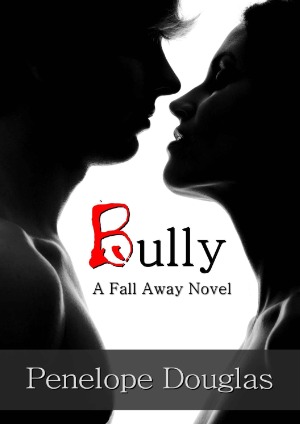
Bully
by Penelope Douglas
so nice to see the topic of bullying being turned into a romance! that is definitely the way to deal with bullies. they just need hugs and kisses and your virginity. poor misunderstood bullies. Jared the manly wittle bully with daddy issues just needs to be wuved by someone. bullies just pick on you because they are secretly in love with you. why even bring up the idea that bullying often causes kids to kill themselves. that's not romantic, yuck!
in the words of one of the most embarrassing reviewers on Goodreads:
 "This may make me seem a little crazy- but I will just say it right now. I LOVE JARED. Okay, a lot of people loved Jared by the end of the book. Not me. I loved him the entire time I read this book. He was a jerk. An asshole. A bully. But there was just something about him that pulled me to him... I was rooting for him the whole book, so yay!"
self-esteem much?
gosh the author sure knows the right topic to choose to make some money. not a cynical choice at all! and I see that this is apparently the first book in a series. I wonder what the second book will be called. how about "Date Raper"? the wuveable misunderstood wapist just wants to wuv you!! as long as he's a hunk, who cares?

so nice to see the topic of bullying being turned into a romance! that is definitely the way to deal with bullies. they just need hugs and kisses and your virginity. poor misunderstood bullies. Jared the manly wittle bully with daddy issues just needs to be wuved by someone. bullies just pick on you because they are secretly in love with you. why even bring up the idea that bullying often causes kids to kill themselves. that's not romantic, yuck!
in the words of one of the most embarrassing reviewers on Goodreads:
"This may make me seem a little crazy- but I will just say it right now. I LOVE JARED. Okay, a lot of people loved Jared by the end of the book. Not me. I loved him the entire time I read this book. He was a jerk. An asshole. A bully. But there was just something about him that pulled me to him... I was rooting for him the whole book, so yay!"self-esteem much?
gosh the author sure knows the right topic to choose to make some money. not a cynical choice at all! and I see that this is apparently the first book in a series. I wonder what the second book will be called. how about "Date Raper"? the wuveable misunderstood wapist just wants to wuv you!! as long as he's a hunk, who cares?
Friday, February 14, 2014
The Magician King
by Lev Grossman
The Continuing Adventures of a Smug Magical Asshole, as written by An Asshole. and now featuring The New Adventures of a Completely Self-Absorbed Bitch.
i suppose i understand the acclaim that has been heaped on Grossman. he is playing with tropes as his characters play with magic. he has a puckish sensibility that makes reading his series a tart and spiky experience. his tone is breezily casual and entirely unsentimental. and since Snark is the New Law of the New Millenium, the snark that is delivered in spades throughout his novels probably lets many readers off the hook of reading genre fiction... everything is delivered neatly wrapped up within a knowing, eye-rolling, jaded wrapping paper. this gift can be unwrapped at sophisticated dinner parties and the reader won't have to suffer any kind of embarrassment over reading and talking about "Fantasy".
 but i had to do a lot of eye-rolling of my own. it's not as if The Magician King is just about a shallow little prick who views everything - and i mean Everything - around him with disdain. i probably would have less of an issue with this book if it were simply about an unsympathetic protagonist. but nope, the author himself makes it clear that he is officially on the side of cynical, snarky assholery. it is all in the writing itself, and not just in the voice of our tedious hero. i can start with the ending, where banality has been substituted for actual meaning and resonance. but the problem is endemic to the entire narrative. people and places are described in the same shallow, smirky, insulting manner, as if the book was actually written by our tedious hero. a bit of the jokiness scores; most of it just falls flat, with a thud. like the irritating, oh-so-clever commentary of some overly-intellectual prick at a party, going on and on about how pedestrian tv is, how terrible music is these days, how pop culture is for idiots, how he's been there, done that, and there were so many tourists and it was all so predictable and banal and now he's rolling his eyes and arching his eyebrows and i just want to smack the bullshit right out of him. in short, this novel lacks SINCERITY.
 okay, enough of the complaints. there is still a lot to enjoy. first off, new co-protagonist The Completely Self-Absorbed Bitch is actually pretty interesting and her parallel flashback adventures are often enthralling. the way that the parallel narratives of our heroine's past and our hero's present eventually dovetail into one narrative is clever and quite elegantly structured. an island battle is genuinely thrilling. the novel's major set-piece, where a bunch of brilliant but mentally ill magicians conjure up an actual god is pretty awesome - and very upsetting. the story of young Benedict is also quite well-done... there is genuine tragedy and sadness there, in a way that really stands out from the rest of the narrative. and extra points for portraying rape without even the slightest bit of offensive sexiness.
i was happy to see my favorite characters from the prior novel, Penny and that novel's superb villain Martin Chatwin, both return in a couple excellent cameos. and many of the ideas are wonderful - in particular the Neitherlands, dragons, Venice, the return of the old gods, magical halfway houses, a magical ship, magicians who have somehow transitioned into higher beings, the seven golden keys, a sloth, the Customs Agent and especially her daughter... and i'm probably missing a few equally choice nuggets. The Magician King is deeply flawed and its juvenile tone may be instantly dismissable; it is also practically brimming over with a host of smart, fun, and intriguing moments. much like a creative, outsider-type teenager - full of unearned cynicism and irritating snarkiness, but also full of vibrant energy, a host of ideas, and a fresh, sometimes even brilliant way of looking at things.
so, when all is said and done, i'd actually recommend this book as an interesting and often enjoyable experience. but i'd have to give a big disclaimer before recommending it - a disclaimer delivered with a little snark and a lot of eye-rolling.
The Continuing Adventures of a Smug Magical Asshole, as written by An Asshole. and now featuring The New Adventures of a Completely Self-Absorbed Bitch.
i suppose i understand the acclaim that has been heaped on Grossman. he is playing with tropes as his characters play with magic. he has a puckish sensibility that makes reading his series a tart and spiky experience. his tone is breezily casual and entirely unsentimental. and since Snark is the New Law of the New Millenium, the snark that is delivered in spades throughout his novels probably lets many readers off the hook of reading genre fiction... everything is delivered neatly wrapped up within a knowing, eye-rolling, jaded wrapping paper. this gift can be unwrapped at sophisticated dinner parties and the reader won't have to suffer any kind of embarrassment over reading and talking about "Fantasy".
okay, enough of the complaints. there is still a lot to enjoy. first off, new co-protagonist The Completely Self-Absorbed Bitch is actually pretty interesting and her parallel flashback adventures are often enthralling. the way that the parallel narratives of our heroine's past and our hero's present eventually dovetail into one narrative is clever and quite elegantly structured. an island battle is genuinely thrilling. the novel's major set-piece, where a bunch of brilliant but mentally ill magicians conjure up an actual god is pretty awesome - and very upsetting. the story of young Benedict is also quite well-done... there is genuine tragedy and sadness there, in a way that really stands out from the rest of the narrative. and extra points for portraying rape without even the slightest bit of offensive sexiness.i was happy to see my favorite characters from the prior novel, Penny and that novel's superb villain Martin Chatwin, both return in a couple excellent cameos. and many of the ideas are wonderful - in particular the Neitherlands, dragons, Venice, the return of the old gods, magical halfway houses, a magical ship, magicians who have somehow transitioned into higher beings, the seven golden keys, a sloth, the Customs Agent and especially her daughter... and i'm probably missing a few equally choice nuggets. The Magician King is deeply flawed and its juvenile tone may be instantly dismissable; it is also practically brimming over with a host of smart, fun, and intriguing moments. much like a creative, outsider-type teenager - full of unearned cynicism and irritating snarkiness, but also full of vibrant energy, a host of ideas, and a fresh, sometimes even brilliant way of looking at things.
so, when all is said and done, i'd actually recommend this book as an interesting and often enjoyable experience. but i'd have to give a big disclaimer before recommending it - a disclaimer delivered with a little snark and a lot of eye-rolling.
Tuesday, February 4, 2014
The King of Elfland's Daughter
by Lord Dunsany
 a tale out of time: an old myth reinvented; a new myth born. a wayward bride, a forlorn husband, their son - a pitiless hunter. a defiant old woman; a melancholy old man. trolls delight in delight; unicorns are for slaughter. question: what is Time in Elfland? answer: a fantasy! twelve men want magic. madmen shall take captive a king. borders shall be crossed and boundaries may be as fleeting as dreams. be wary of what you wish for! love shall conquer all and death shall be no more.
prose like poetry, like music. the novel: a silvery lake stretching to shores unknown. i gazed at this lake by day and its surface shone with sunlight: the world and all its colors flamed bright and fierce. i took a lonely boat ride by night and its surface glistened with moonlight, reflecting the beyond... i stared into those starry depths and saw the infinite: an entrancing sight!

a tale out of time: an old myth reinvented; a new myth born. a wayward bride, a forlorn husband, their son - a pitiless hunter. a defiant old woman; a melancholy old man. trolls delight in delight; unicorns are for slaughter. question: what is Time in Elfland? answer: a fantasy! twelve men want magic. madmen shall take captive a king. borders shall be crossed and boundaries may be as fleeting as dreams. be wary of what you wish for! love shall conquer all and death shall be no more.prose like poetry, like music. the novel: a silvery lake stretching to shores unknown. i gazed at this lake by day and its surface shone with sunlight: the world and all its colors flamed bright and fierce. i took a lonely boat ride by night and its surface glistened with moonlight, reflecting the beyond... i stared into those starry depths and saw the infinite: an entrancing sight!
Tuesday, January 28, 2014
Ombria in Shadow
by Patricia A. McKillip
 this is a beautiful, dreamy fantasy. it is about a fallen city, the mysterious city under that city, two magical beings, a royal bastard, a cast-out mistress, a kind of changeling, a curious scholar, a lonely child prince. it is about ruthless control and equally ruthless revolution against that control. although it does not have faerie, it is a fairy tale, one that is both modern and classic in tone and structure. the writing is splendid; McKillip's words are like gems that she strings together to make a sparkling kind of wonderful. she does not overwrite her story; her prose is lusciously rich, almost edible - but it is also streamlined, stripped-down, full of ambiguity and meaning yet never spelling things out too explicitly, never getting lost in detail. sometimes you have to step back, to appreciate the vivid beauty conveyed on the page, to wonder over the mysteries being so carefully teased out, piece by piece. the setting, the city of Ombria, is a marvel: a sad, gloomy, violent, desperately alive place, one that has fallen far from its glorious history; a sad, gloomy, mysteriously un-alive un-place, a shadow city beneath and between and co-existing with the living spaces of Ombria, an un-living history. Ombria in Shadow is full of magic, tragedy, mystery, and love.
MAGIC: it is front and center. don't expect rules to this magic, although it doesn't feel random. it is simply not spelled out. it is as ambiguous and mythic as the rest of the tale. its two sorceresses - one a fell and fungal villain of the darkest hues and the other an unsettling force of nature, change, and potential catastrophe - are marvelous creations.
TRAGEDY: there are the central tragedies, of course, the greater ones that dominate the narrative. but McKillip does an excellent job in making the tragedy hurt beyond those larger strokes, beyond the death of a king, beyond the attempted murders, beyond the ruination of a city. she makes the tragedy felt in many small ways... casual violence in the night, the distance between father and daughter, lovers parted and lost, the feeling of disempowerment, the loneliness of a little boy.
MYSTERY: answers are almost always tantalizingly out of reach, parsed out little by little, nothing ever simply dumped on the reader. the ending gives you answers, but they are not straightforward, they require contemplation and a willingness to forsake easy answers and easy satisfaction. when they come, the answers were almost as mysterious as the mysteries themselves. that said, when the riddles of the nature of the two sorceresses were finally answered, separately... marvelous to read, perfect.
LOVE: my gosh i was delighted about the Love that is at the heart of this tale. specifically, the love between children and those people in their lives who love them and care for them - be they parents or friends or guardians. of course i have nothing against Romantic Love and its place in any story. but how refreshing to have that focus changed! there are Love Stories in Ombria, naturally. but this book has at its heart Familial Love - with "family" being one that is both born and chosen.
this is the kind of book that you just want to hold close to your heart, be sentimental over, and think about again... but perhaps not talk about, at least not too much. it is a delicate book, like most precious things.
this is a beautiful, dreamy fantasy. it is about a fallen city, the mysterious city under that city, two magical beings, a royal bastard, a cast-out mistress, a kind of changeling, a curious scholar, a lonely child prince. it is about ruthless control and equally ruthless revolution against that control. although it does not have faerie, it is a fairy tale, one that is both modern and classic in tone and structure. the writing is splendid; McKillip's words are like gems that she strings together to make a sparkling kind of wonderful. she does not overwrite her story; her prose is lusciously rich, almost edible - but it is also streamlined, stripped-down, full of ambiguity and meaning yet never spelling things out too explicitly, never getting lost in detail. sometimes you have to step back, to appreciate the vivid beauty conveyed on the page, to wonder over the mysteries being so carefully teased out, piece by piece. the setting, the city of Ombria, is a marvel: a sad, gloomy, violent, desperately alive place, one that has fallen far from its glorious history; a sad, gloomy, mysteriously un-alive un-place, a shadow city beneath and between and co-existing with the living spaces of Ombria, an un-living history. Ombria in Shadow is full of magic, tragedy, mystery, and love.MAGIC: it is front and center. don't expect rules to this magic, although it doesn't feel random. it is simply not spelled out. it is as ambiguous and mythic as the rest of the tale. its two sorceresses - one a fell and fungal villain of the darkest hues and the other an unsettling force of nature, change, and potential catastrophe - are marvelous creations.
TRAGEDY: there are the central tragedies, of course, the greater ones that dominate the narrative. but McKillip does an excellent job in making the tragedy hurt beyond those larger strokes, beyond the death of a king, beyond the attempted murders, beyond the ruination of a city. she makes the tragedy felt in many small ways... casual violence in the night, the distance between father and daughter, lovers parted and lost, the feeling of disempowerment, the loneliness of a little boy.
MYSTERY: answers are almost always tantalizingly out of reach, parsed out little by little, nothing ever simply dumped on the reader. the ending gives you answers, but they are not straightforward, they require contemplation and a willingness to forsake easy answers and easy satisfaction. when they come, the answers were almost as mysterious as the mysteries themselves. that said, when the riddles of the nature of the two sorceresses were finally answered, separately... marvelous to read, perfect.
LOVE: my gosh i was delighted about the Love that is at the heart of this tale. specifically, the love between children and those people in their lives who love them and care for them - be they parents or friends or guardians. of course i have nothing against Romantic Love and its place in any story. but how refreshing to have that focus changed! there are Love Stories in Ombria, naturally. but this book has at its heart Familial Love - with "family" being one that is both born and chosen.
this is the kind of book that you just want to hold close to your heart, be sentimental over, and think about again... but perhaps not talk about, at least not too much. it is a delicate book, like most precious things.
Subscribe to:
Posts (Atom)